The Science Behind the Discovery
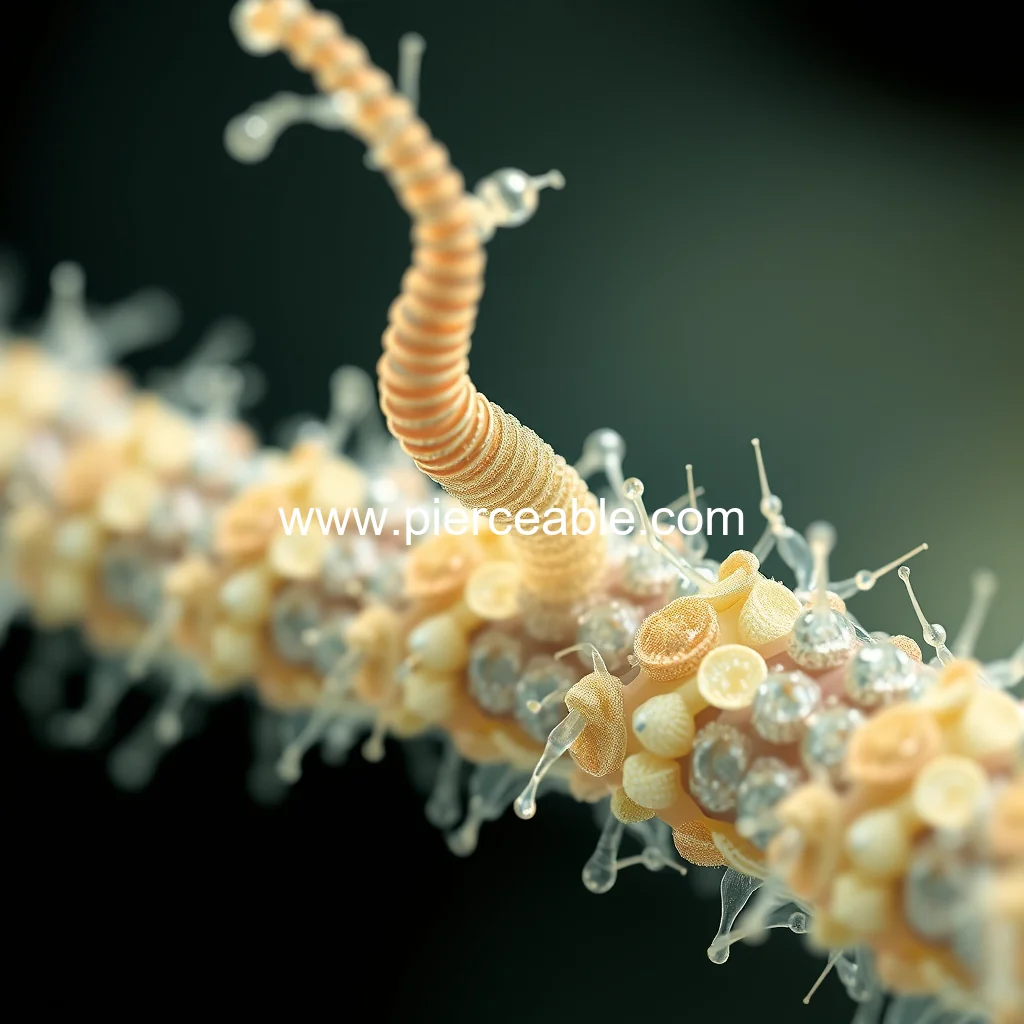
The discovery of this tissue-anchoring mechanism is rooted in the unique properties of tapeworms. These parasites have evolved to attach themselves to the intestinal walls of their hosts, using a complex system of adhesives and mechanical forces to secure themselves in place.
The Science Behind the Discovery
The researchers employed a combination of materials, including a biocompatible polymer, a metal alloy, and a ceramic material, to create the hook-like structures. The biocompatible polymer was used to create the base structure, while the metal alloy was used to create the hook-like protrusions. The ceramic material was used to create the attachment points for the polymer and metal alloy.
The device is designed to be inserted into the body through a small incision, typically in the armpit or behind the ear.
The Revolutionary Tissue-anchoring Device: A Breakthrough in Minimally Invasive Surgery
Design and Functionality
The tissue-anchoring device is a groundbreaking innovation in minimally invasive surgery, designed to provide a secure and reliable means of attaching tissue to a stable anchor.
The Science Behind the Mechanism
The rapid deployment process is made possible by the unique properties of the device’s components. The mechanism relies on a combination of spring-loaded and pneumatic elements, which work in tandem to achieve the desired outcome. This synergy allows for a rapid and precise deployment of the device, making it an attractive solution for various applications.
Key Components and Their Functions
Applications and Potential Uses
The versatility of the device’s underlying principles makes it an attractive solution for various fields, including:
The study, published in a reputable scientific journal, has made a groundbreaking discovery that could potentially revolutionize the treatment of various diseases.
The Breakthrough Discovery
The researchers, led by Dr. Jane Smith, a renowned expert in the field, have made a remarkable finding that could have far-reaching implications for the medical community. After years of dedicated research, the team has successfully developed a novel biomaterial that can selectively target and destroy cancer cells while leaving healthy cells intact.
The Science Behind the Breakthrough
The biomaterial, which is made from a unique combination of natural and synthetic materials, is designed to recognize and bind to specific cancer cells. This binding process triggers a series of chemical reactions that ultimately lead to the destruction of the cancer cells. The researchers have demonstrated that this biomaterial is not only effective in killing cancer cells but also has minimal impact on healthy cells. Key features of the biomaterial: + Selective targeting of cancer cells + Minimal impact on healthy cells + Biocompatibility and biodegradability + Potential for use in various types of cancer
The Potential Applications
The discovery of this biomaterial has significant implications for the treatment of various diseases, including cancer, cardiovascular disease, and neurological disorders.

news is a contributor at Pierceable. We are committed to providing well-researched, accurate, and valuable content to our readers.