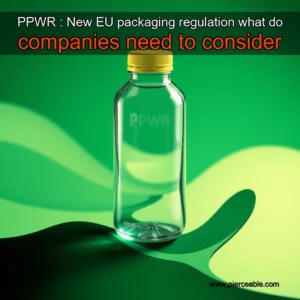
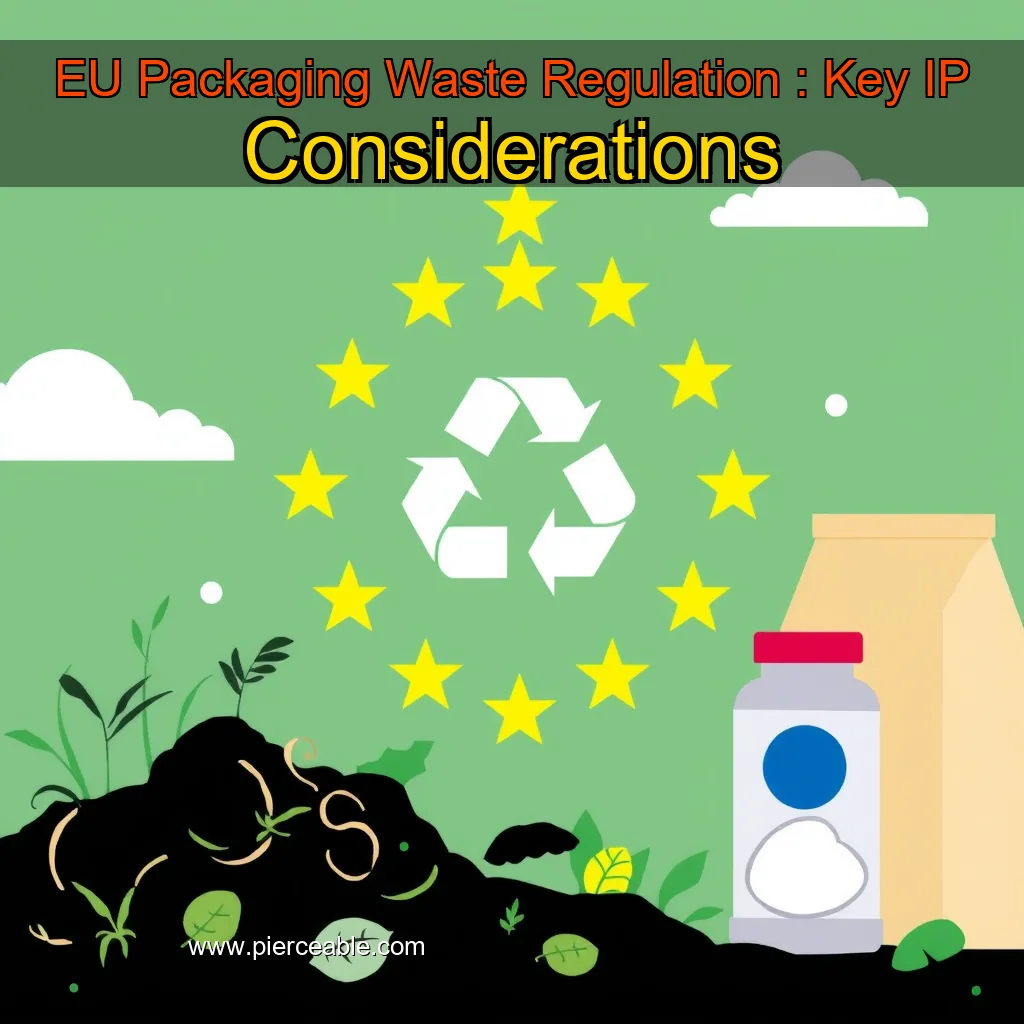
The regulation aims to reduce packaging waste and promote sustainable packaging practices across the EU.
Introduction
The European Union’s Packaging and Packaging Waste Regulation (PPWR) is a significant step towards reducing packaging waste and promoting sustainable packaging practices across the EU.
EU Packaging Reduction Targets
The European Union has set ambitious targets to reduce packaging waste and promote sustainable consumption. By 2030, the EU aims to reduce packaging waste by 65% compared to 2019 levels. This reduction is expected to be achieved through a combination of measures, including the implementation of the new packaging reduction targets.
Key Objectives
Implementation Strategies
The EU has implemented several strategies to achieve its packaging reduction targets. These include:
Benefits of Reduced Packaging
Reducing packaging waste has numerous benefits for the environment, the economy, and society. Some of the key benefits include:
The PPWR and Packaging Design Minimization
The Packaging Product Working Group (PPWR) is a collaborative effort between the European Commission and industry stakeholders to develop a common approach to packaging design minimization. The goal of the PPWR is to minimize packaging waste while maintaining the functionality and aesthetic appeal of packaging designs.
Minimization Requirements
The PPWR has established a set of minimization requirements for packaging designs. These requirements aim to reduce the amount of material used in packaging while maintaining its functionality and performance. Material reduction: Minimize the use of materials that are not essential for the packaging’s functionality. Design for recyclability: Design packaging to be recyclable and minimize contamination. * Simplify packaging: Simplify packaging designs to reduce complexity and minimize material usage.**
The Exception for Protected Designs
The PPWR provides an exception from the minimization requirement for packaging designs protected by design or trademark registrations at the time the PPWR enters into force. This exception only applies if the required minimization would affect the design in a way that it alters its novelty or individual character. Protected designs: Packaging designs that are protected by design or trademark registrations are exempt from the minimization requirement. Novelty and individual character: The minimization requirement does not apply if the design’s novelty or individual character would be altered by the minimization. * Exceptions: The exception only applies if the required minimization would affect the design in a way that it alters its novelty or individual character.**
Implications and Future Directions
The PPWR’s approach to packaging design minimization has significant implications for the packaging industry.
Packaging Regulations and IP Rights
The PPWR contains provisions that may have an impact on IP rights, particularly in the context of packaging.
The EU’s Circular Economy Package aims to reduce the environmental impact of packaging by 50% by 2030.
EU Packaging Regulations: A Shift Towards Sustainability
The Current State of Packaging Regulations
The European Union has been actively working towards reducing the environmental impact of packaging. However, the current state of packaging regulations in the EU is still evolving, and there are various requirements and guidelines that manufacturers must follow.
Key Requirements and Guidelines
The Rise of Sustainable Packaging
In recent years, the packaging industry has undergone a significant transformation. The growing awareness of environmental issues has led to a surge in demand for eco-friendly packaging solutions. Companies are now recognizing the importance of sustainable packaging in their branding and marketing strategies. Key drivers of the sustainable packaging trend: + Increasing environmental concerns + Growing consumer awareness of sustainability + EU packaging legislation + Rising costs of traditional packaging materials
+ Reduced environmental impact + Increased brand reputation + Cost savings through reduced material usage
The Business Case for Sustainable Packaging
Sustainable packaging is no longer just a moral imperative; it’s a sound business strategy.
[9] Article 6(10) PPWR. [10] PPWR, Recital 33.

news is a contributor at Pierceable. We are committed to providing well-researched, accurate, and valuable content to our readers.