EU’s Circular Economy and Green Deal drive packaging waste reduction goals.
The regulation is based on the EU’s Circular Economy Action Plan and the EU’s Green Deal.
The EU’s Circular Economy and Green Deal
The EU’s Circular Economy Action Plan and the EU’s Green Deal are the foundation of the PPWR. The Circular Economy Action Plan aims to reduce the EU’s environmental impact by promoting sustainable consumption and production patterns. The Green Deal, on the other hand, sets out a comprehensive strategy for reducing greenhouse gas emissions and promoting sustainable growth.
The PPWR is a comprehensive program aimed at reducing greenhouse gas emissions from industrial processes, and its implementation will require significant efforts from various stakeholders.
The PPWR Program: A Comprehensive Approach to Reducing Emissions
The PPWR program is a groundbreaking initiative that aims to reduce greenhouse gas emissions from industrial processes. The program is a comprehensive approach that involves various stakeholders, including governments, industries, and civil society organizations.
The PPWR: A New Era in Sustainable Packaging
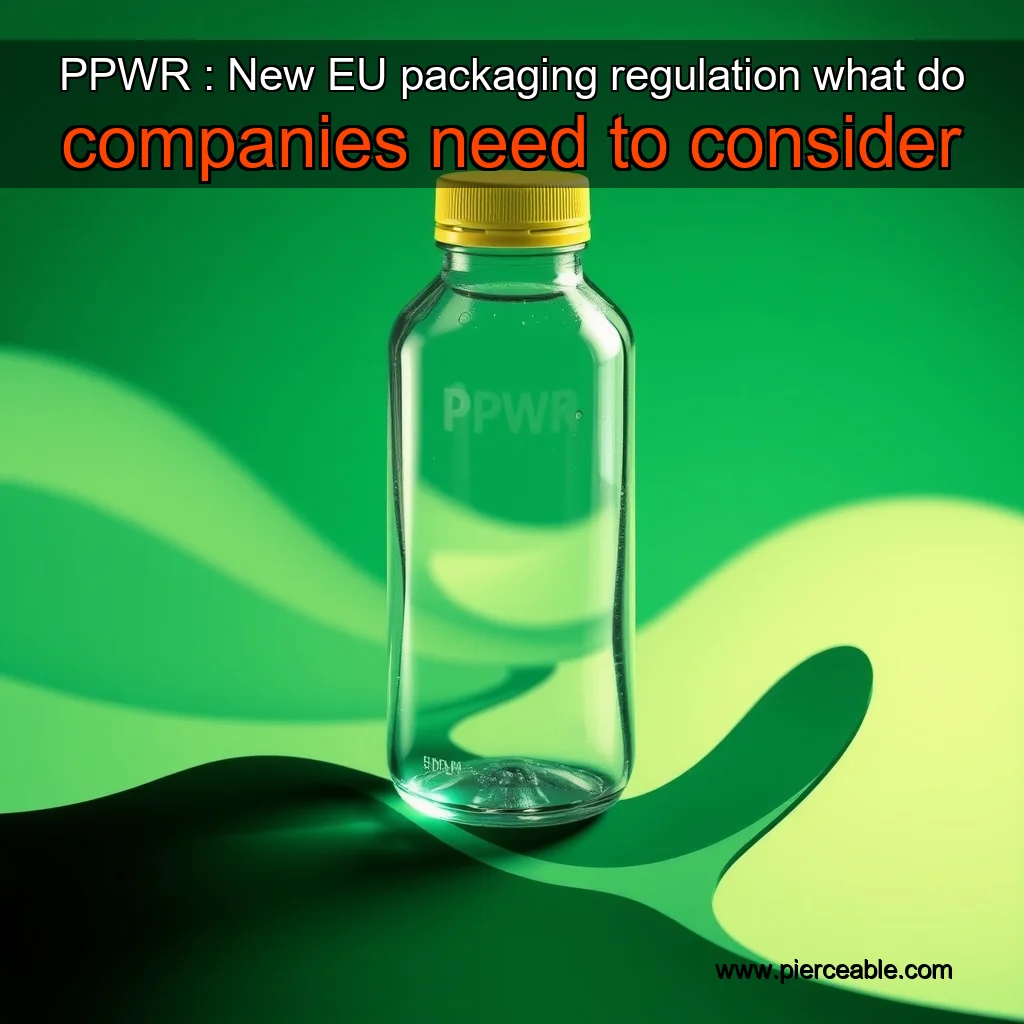
The Packaging Waste Reduction (PPWR) regulation is a significant step towards reducing the environmental impact of packaging waste. The regulation aims to minimize the consumption of resources for packaging by encouraging manufacturers to adopt sustainable practices.
Key Objectives of the PPWR Regulation
How the PPWR Regulation Will Work
The PPWR regulation will work by requiring manufacturers to participate in collection and recycling programs. This will ensure that packaging waste is properly collected and recycled, reducing the amount of waste that ends up in landfills.
Design for Recycling Guidelines: A New Era for Sustainable Packaging
The European Union has taken a significant step towards reducing waste and promoting sustainability in the packaging industry with the introduction of the Design for Recycling Guidelines.
The Rise of Sustainable Packaging: A Global Shift Towards a Greener Future
The world is on the cusp of a significant transformation in the way we approach packaging. As concerns about climate change, waste management, and environmental degradation continue to grow, governments, businesses, and individuals are coming together to create a more sustainable future. One key area of focus is the reduction of plastic waste in packaging, and a new set of regulations is set to play a crucial role in driving this change.
The Problem of Plastic Waste
Plastic packaging is a significant contributor to the world’s plastic waste problem. From single-use water bottles to food packaging, plastic is used in a wide range of applications, often with little thought given to its environmental impact. The consequences of this are stark: millions of tons of plastic waste enter the world’s oceans every year, harming marine life and contaminating the food chain. Furthermore, plastic waste is not biodegradable, meaning it can take hundreds of years to decompose, contributing to the growing problem of microplastics in our environment.
The Solution: Mandatory Recycling Rates
In response to these concerns, governments and regulatory bodies are introducing new regulations to reduce plastic waste in packaging.
Recycling rates are low, but efforts are underway to improve sustainability.
The Evolution of Recyclable Packaging
The concept of recyclable packaging has undergone significant transformations over the years, driven by the need to address environmental concerns and promote sustainability. As the world grapples with the challenges of plastic waste, governments, industries, and consumers are working together to develop and implement more effective recycling systems.
The Current State of Recycling
Currently, the recycling rate for plastic packaging is relatively low, with many types of plastic waste ending up in landfills or oceans. This is largely due to the lack of standardization in recycling processes and the limited availability of recycling facilities.

news is a contributor at Pierceable. We are committed to providing well-researched, accurate, and valuable content to our readers.