The Problem of Packaging Waste
Packaging waste has become a significant environmental concern in the EU. The EU’s current waste management system is not equipped to handle the growing volume of packaging waste. The main reasons for this are:
The EU’s New Framework
The PPWR is a comprehensive framework that addresses the issues mentioned above. It establishes rules on recyclability, minimum recycled content, ecomodulation, and mandatory recycling quotas. The framework also includes provisions for:
Key Provisions of the PPWR
The PPWR includes several key provisions that aim to curb the rising volume of packaging waste in the EU. Some of the key provisions include:
The PPWR is a comprehensive plan to reduce greenhouse gas emissions and mitigate climate change, and it will require the implementation of new technologies and infrastructure.
The PPWR: A Comprehensive Plan for Climate Action
The PPWR is a long-term plan to reduce greenhouse gas emissions and mitigate climate change. It is a comprehensive plan that involves the implementation of new technologies and infrastructure to achieve its goals.
The PPWR: A New Era in Sustainable Packaging
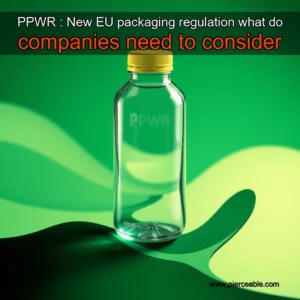
The Packaging Waste Reduction (PPWR) regulation is a significant step towards reducing the environmental impact of packaging waste in the UK. The regulation aims to minimize the consumption of resources for packaging, promote sustainable packaging practices, and encourage manufacturers to adopt environmentally friendly packaging solutions.
Key Objectives of the PPWR Regulation
The PPWR regulation has several key objectives that aim to reduce the environmental impact of packaging waste. Some of the key objectives include:
Benefits of the PPWR Regulation
The PPWR regulation is expected to have several benefits for the environment, the economy, and society as a whole.
EU sets binding quotas for reusable packaging to reduce plastic waste and promote sustainability.
The Regulation sets binding quotas for reusable packaging.
The European Union’s New Packaging Regulations
The European Union has introduced a new regulation aimed at reducing plastic waste and promoting sustainable packaging practices.
The Rise of Sustainable Packaging: A Global Shift Towards a Greener Future
The world is on the cusp of a significant transformation in the way we approach packaging. As concerns about climate change, waste management, and environmental degradation continue to grow, governments and industries are taking steps to reduce their ecological footprint. One key area of focus is the development of sustainable packaging solutions.
The Problem with Traditional Packaging
Traditional packaging is often made from non-renewable resources, such as petroleum and natural gas, and is designed to be used once and then discarded. This approach has led to a staggering amount of waste, with the average American generating around 4.4 pounds of trash per day.
The New Recycling Standard for Packaging
A Shift in the Recycling Landscape
In 2035, a significant change will take effect in the way packaging is evaluated for recyclability. The new standard will require packaging to be recycled on a substantial scale to be considered recyclable. This means that manufacturers will need to meet specific recycling rates for various categories of plastic packaging, including items made from PET (Polyethylene Terephthalate) and plastic film.
What Does This Mean for Manufacturers? The new standard will require manufacturers to track and report their recycling rates for each type of packaging. Companies will need to ensure that their packaging is designed with recyclability in mind, from the outset. Manufacturers will also need to invest in recycling infrastructure and processes to support the new standard. ### The Impact on Consumers
The Benefits of the New Standard

news is a contributor at Pierceable. We are committed to providing well-researched, accurate, and valuable content to our readers.