
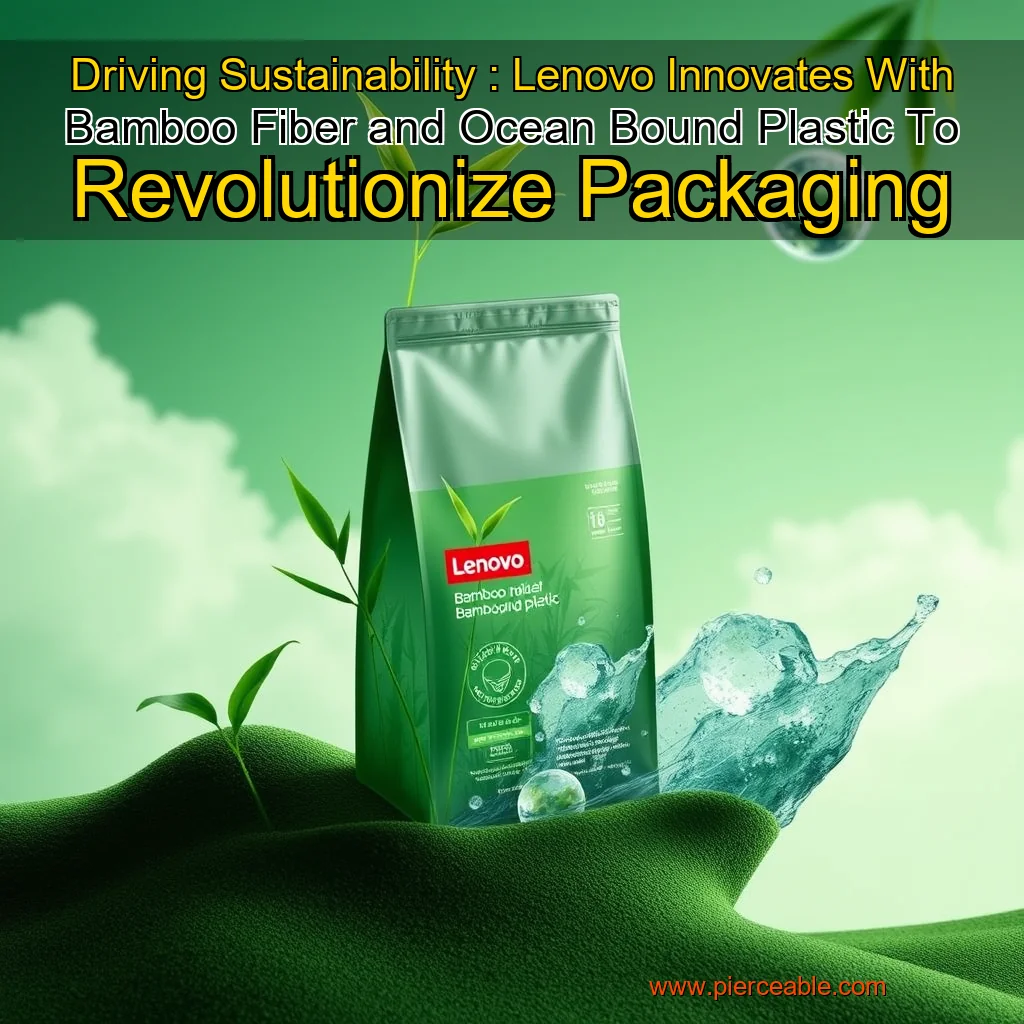
The company has set a goal to reduce its packaging size by 30% by 2025. This goal is part of a broader strategy to minimize waste and reduce the environmental impact of its products.
Reducing Packaging Size
Lenovo has been working to reduce the size of its packaging for several years. The company has implemented various measures to achieve this goal, including:
Sustainable packaging solutions are revolutionizing the tech industry with eco-friendly materials like bamboo fiber.
Sustainable and eco-friendly. 100 percent biodegradable. 100 percent compostable. 100 percent recyclable.
The Rise of Sustainable Packaging
Lenovo, a leading global technology company, has been at the forefront of innovation in the tech industry for decades. However, in recent years, the company has shifted its focus towards sustainability, recognizing the importance of reducing its environmental footprint. One key area of focus has been the development of sustainable packaging solutions.
The Benefits of Bamboo Fiber
Bamboo fiber has emerged as a game-changer in the world of packaging. Its unique combination of properties makes it an attractive alternative to traditional materials. Some of the key benefits of bamboo fiber include:
A New Era of Packaging
The use of bamboo or sugar cane fibers in select products marked the launch of a new era of packaging offerings for Lenovo. This move reflects the company’s commitment to reducing its environmental impact and promoting sustainability.
Key Features of Bamboo Fiber
This approach has resulted in a significant reduction in packaging waste.
The Benefits of Sustainable Packaging
Sustainable packaging is a crucial aspect of reducing waste and promoting environmental responsibility. By adopting eco-friendly packaging solutions, companies like Lenovo can minimize their ecological footprint and contribute to a more sustainable future. Reduces waste: Sustainable packaging helps minimize packaging waste, which is a significant contributor to environmental pollution. Conserves resources: By using reusable packaging materials, companies can conserve resources and reduce the need for single-use packaging.
The company has also started using bamboo in its ThinkPad keyboard covers and ThinkPad Pen Pro stylus.
Introduction
Lenovo, a leading technology company, has been incorporating sustainable materials into its products and packaging. One of the most notable examples of this is the use of bamboo in its products. In this article, we will explore the history of Lenovo’s use of bamboo, its benefits, and the various ways it is being used in their products.
The History of Bamboo in Lenovo
Lenovo began using bamboo fiber in 2012 as packaging cushions. This was a significant step towards reducing the company’s environmental impact. However, it wasn’t until 2022 that Lenovo introduced a brand-new bamboo gift box for its ThinkPad X1 and Z series. This move marked a significant expansion of the company’s use of bamboo in its products.
Key Milestones
Benefits of Bamboo
Bamboo is a highly sustainable material that offers numerous benefits. Some of the key advantages of using bamboo include:
The company has set a goal to make all its products plastic-free by 2025.
The Challenge of Plastic Waste
The world is facing a significant challenge in the form of plastic waste. Plastic pollution has become a major concern, with millions of tons of plastic waste entering the world’s oceans every year. This not only harms marine life but also contaminates the food chain and affects human health. The production and disposal of plastic products have become a significant contributor to greenhouse gas emissions, further exacerbating the problem.
Lenovo’s Commitment to Sustainability
Lenovo, a leading technology company, has recognized the importance of addressing plastic waste and has made a commitment to eliminate plastic materials from its product packaging.
The company has a long history of innovation, dating back to 1984 when it was founded by a group of Chinese engineers. Since then, Lenovo has grown to become one of the world’s leading technology companies, with a diverse portfolio of products and services that cater to various industries and markets.
Lenovo’s Early Years
Lenovo’s journey began in 1984 when a group of Chinese engineers founded the company in Beijing. The founders, led by Liu Chuanzhi, had a vision to create a company that would provide innovative and affordable technology solutions to the Chinese market. Initially, the company focused on producing computerized systems, including computers, printers, and other peripherals. Key milestones in Lenovo’s early years include:

news is a contributor at Pierceable. We are committed to providing well-researched, accurate, and valuable content to our readers.