**Breaking the mold of functional packaging**
The design’s focus on fostering conversation and community.
The design’s focus on fostering conversation and community.
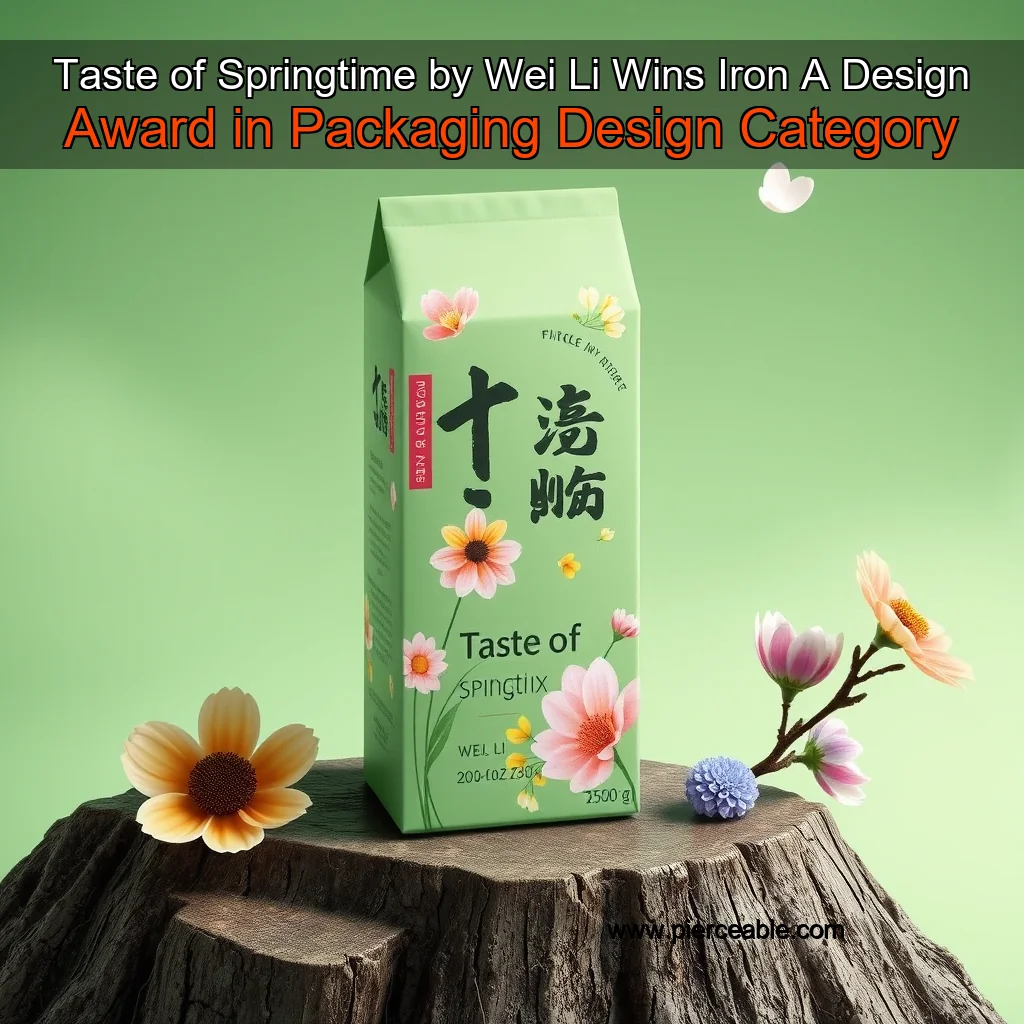
A’ Design Award Winner: Wei Li’s Taste of Springtime**
In a world where packaging design often prioritizes functionality over aesthetics, Wei Li’s “Taste of Springtime” has made a significant impact.
The unique design of the hourglass shape allows for a precise measurement of the liquor, ensuring that the user receives an accurate amount of liquor with each pour.
The Art of Baijiu: A Symbol of Tradition and Sustainability
The Hourglass Shape: A Symbol of Preciousness
The hourglass shape, created by joining two small wine bottles, is a distinctive feature of the Baijiu packaging. This design element is not only aesthetically pleasing but also serves as a symbol of the precious nature of Baijiu. The hourglass shape represents the delicate balance between the past and the present, as well as the fleeting nature of life. The two small bottles, connected by a narrow neck, evoke the idea of a precious resource being carefully measured and poured. The hourglass shape is a nod to the traditional Chinese art of wine-making, where the ratio of liquor to water is carefully controlled to achieve the perfect balance of flavor and aroma. The use of the hourglass shape also reflects the cultural significance of time and the importance of measuring the passage of time in Chinese culture.*
The Artistic Touch: Rubin’s Reverse Pattern
The incorporation of Rubin’s reverse pattern at the glass joint adds an artistic touch to the packaging. This unique design element not only enhances the visual appeal of the hourglass shape but also adds a sense of sophistication and elegance to the overall design. The reverse pattern, created by inverting the traditional Chinese motifs, adds a touch of modernity and innovation to the traditional design. The use of Rubin’s reverse pattern also reflects the brand’s commitment to innovation and creativity.
The Taste of Springtime project was recognized for its innovative approach to addressing the issue of food waste in China.
The Concept Behind Taste of Springtime
The Taste of Springtime project was born out of a desire to reduce food waste in China, a country where an estimated 30% of the food produced is lost or wasted. This staggering statistic has significant environmental, social, and economic implications. The project aimed to address this issue by creating a platform for consumers to purchase surplus food at a lower cost.
Key Features of Taste of Springtime
The Impact of Taste of Springtime
The Taste of Springtime project has had a significant impact on reducing food waste in China. By providing a platform for consumers to purchase surplus food, the project has helped to:
The A’ Packaging Design Award is open to all types of packaging designs, including but not limited to:
Types of Packaging Designs Eligible for the Award
The A’ Packaging Design Award is not limited to traditional packaging designs. It also considers innovative and conceptual designs that push the boundaries of packaging as an art form.
The Judging Process
The A’ Packaging Design Award is judged by a panel of expert judges, comprising design professionals, industry leaders, journalists, and academics. The judges assess the designs based on the following criteria:
The judges evaluate each entry based on these criteria, considering the design’s overall impact and its ability to meet the needs of the target audience.
The Benefits of Winning the A’ Packaging Design Award
Winning the A’ Packaging Design Award can bring numerous benefits to the designers and their companies. Some of the benefits include:
Winning the A’ Packaging Design Award can also provide designers with a competitive edge in the industry, allowing them to stand out from the competition and attract new clients and projects.
Examples of Successful Packaging Designs
The A’ Packaging Design Award has recognized numerous successful packaging designs over the years. Here are a few examples:
Introduction
The world of travel photography has seen a significant shift in recent years, with the rise of social media platforms like Instagram and Facebook. These platforms have not only changed the way we consume travel content but have also transformed the way we create it. One of the most notable changes is the increasing demand for authentic and immersive travel experiences. Travelers are no longer satisfied with just looking at a series of photos; they want to feel like they’re part of the journey.
The Rise of iReporter
CNN.com has taken notice of this shift and has introduced a new feature called iReporter. This innovative platform allows users to submit their own travel photos, which are then featured in a weekly Travel Snapshots gallery. The iReporter program is designed to give a voice to the everyday traveler, showcasing their unique perspectives and experiences.
How it Works
Benefits for Travelers

news is a contributor at Pierceable. We are committed to providing well-researched, accurate, and valuable content to our readers.