The Rise of Metal Packaging in the Beauty Industry
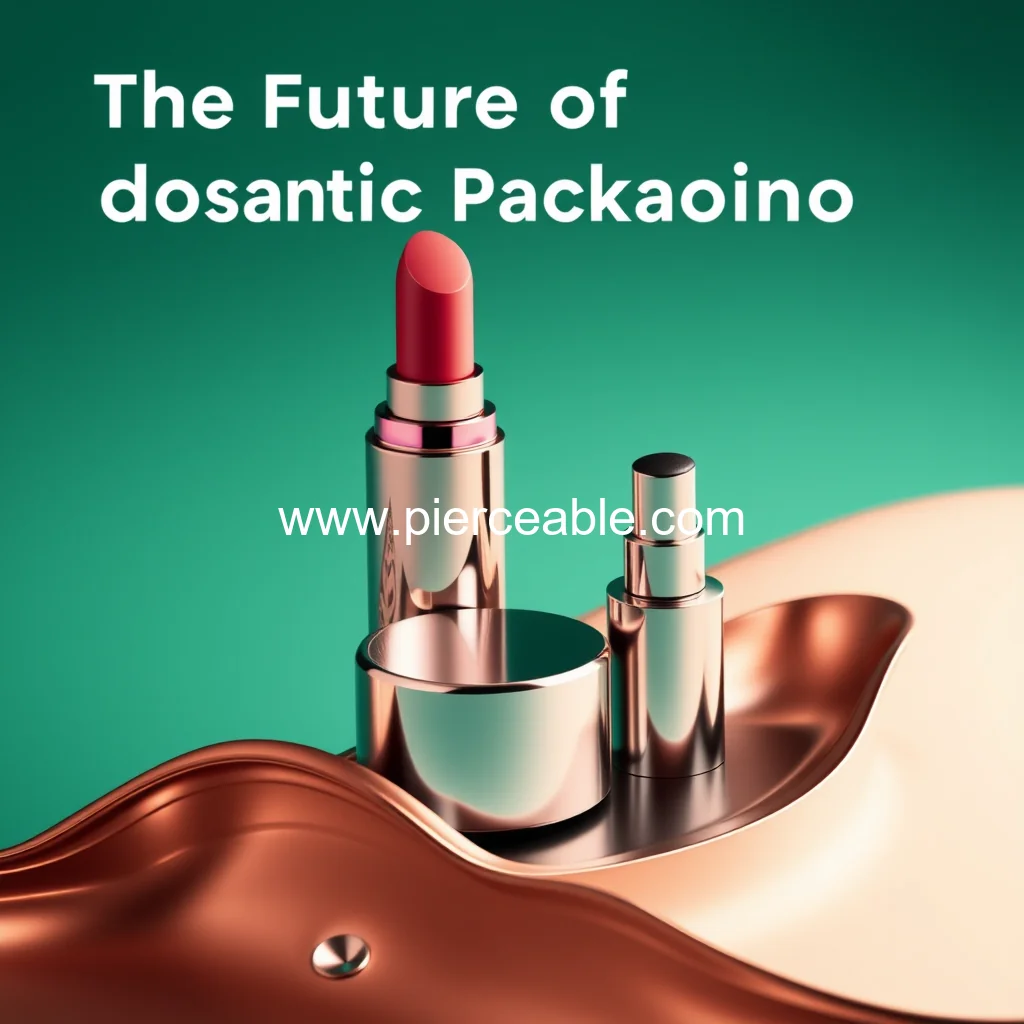
Metal packaging has gained immense popularity in the beauty industry in recent years. This shift is driven by several factors, including sustainability, durability, and the growing demand for eco-friendly products. Here are some key reasons why metal packaging is becoming increasingly popular:
In this article, we will delve into the world of metal containers and closures, exploring their benefits, types, and the future of this industry.
The Benefits of Metal Containers and Closures
Metal containers and closures offer several benefits that make them an attractive choice for the cosmetics industry. Some of the key advantages include:
Types of Metal Containers and Closures
The cosmetics industry offers a wide range of metal containers and closures, each with its unique characteristics and benefits. Some of the most common types include:
Here are some key points to consider when selecting metal packaging for cosmetics:
Key Considerations for Sustainable Metal Packaging
The Rise of Refillable Metal Containers
In recent years, the packaging industry has witnessed a significant shift towards sustainability. One of the most notable trends is the emergence of refillable metal containers. These containers are not only eco-friendly but also offer numerous benefits to consumers and businesses alike. Key advantages of refillable metal containers: + Reduces waste: By reusing existing containers, companies can significantly reduce their waste output. + Saves resources: Refillable containers can be used multiple times, reducing the need for new raw materials. + Cost-effective: Refillable containers can be more cost-effective in the long run, as they eliminate the need for frequent replacements.
Biodegradable and Compostable Linings
To ensure that the refillable metal containers remain eco-friendly, companies are developing biodegradable and compostable linings. These linings are designed to break down naturally, reducing the environmental impact of the packaging. Benefits of biodegradable and compostable linings: + Minimizes waste: Biodegradable and compostable linings reduce the amount of waste generated by the packaging. + Reduces carbon footprint: By breaking down naturally, these linings reduce the carbon footprint associated with traditional packaging materials. + Promotes sustainability: Biodegradable and compostable linings promote sustainable practices and reduce the reliance on non-biodegradable materials.
The Future of Sustainable Packaging
As consumers become increasingly environmentally conscious, companies are responding by developing innovative and sustainable packaging solutions. The rise of refillable metal containers and biodegradable and compostable linings is just the beginning.
Metal Packaging Evolved: From Function to Fashion.
The Evolution of Metal Packaging
Metal packaging has undergone significant transformations over the years, driven by advancements in manufacturing technologies. These innovations have not only improved the functionality of metal packaging but also enhanced its visual appeal, making it a more attractive option for consumers.
Key Innovations in Metal Packaging
This shift is driven by several factors, including the growing awareness of environmental concerns and the desire for personalized experiences.
The Rise of Customized Packaging
In recent years, the packaging industry has undergone a significant transformation. Brands are no longer content with standard, mass-produced packaging. Instead, they are opting for unique shapes and sizes for their metal containers. This shift towards customized packaging is driven by several factors, including the growing awareness of environmental concerns and the desire for personalized experiences.
Key Drivers of the Shift
This trend is driven by the growing demand for unique and personalized products.
The Rise of Customizable Packaging
In recent years, there has been a significant shift in consumer behavior, with more and more people seeking unique and personalized products. This trend is driving the demand for customizable packaging, particularly in the cosmetic industry. Companies are now offering consumers the ability to personalize their metal packaging with engraved initials or custom-printed designs.
This trend is driven by consumers’ desire for premium products and experiences.
The Rise of Luxury Metal Packaging
In recent years, metal packaging has experienced a significant resurgence in popularity, driven by consumers’ increasing demand for premium products and experiences. This trend is evident in the growing number of luxury brands that are incorporating metal packaging into their product offerings.
Key Benefits of Metal Packaging
The Benefits of High-End Metal Packaging
High-end metal packaging is becoming increasingly popular among luxury brands, and for good reason. Here are some of the benefits of using high-end metal packaging:
However, for eco-friendly and sustainable brands, plastic is often the preferred choice.
The Psychology of Packaging
Attracting Consumers with Aesthetics
Beauty consumers are highly influenced by the visual appeal of packaging.
Consumers are increasingly concerned about the environmental impact of their purchasing decisions.
The Rise of Sustainable Packaging
The demand for sustainable packaging is on the rise, driven by growing consumer awareness and concern for the environment. As consumers become more informed about the environmental impact of their purchasing decisions, they are seeking out packaging options that are eco-friendly and sustainable.
Key Drivers of Sustainable Packaging
The Benefits of Sustainable Packaging
Sustainable packaging offers numerous benefits for consumers, businesses, and the environment. Some of the key benefits include:
Heavy metal containers weigh more, impacting shipping, supply chains, and the environment.
This can lead to the need for additional coatings or protective measures to prevent damage.
The Environmental Impact of Metal Containers
The Weight of Metal Containers
Metal containers are often heavier than their plastic counterparts. This can have significant implications for shipping and transportation costs. For instance, a study by the National Institute of Standards and Technology (NIST) found that metal containers can be up to 30% heavier than plastic ones. This increased weight can lead to higher fuel consumption, increased emissions, and higher costs for transportation companies. The weight of metal containers can also affect the overall efficiency of supply chains. With heavier containers, transportation companies may need to use more fuel to move the same amount of goods, which can increase costs and reduce competitiveness. Additionally, the weight of metal containers can also impact the environment.

news is a contributor at Pierceable. We are committed to providing well-researched, accurate, and valuable content to our readers.